hamlet quarterly • vol. 1
minimum viable dial tone
Kitchen Line v1 — wall phone + answering machine build
I'd been drifting through thrift stores for months, palming dead phones like seashells, waiting for the right one to talk back.
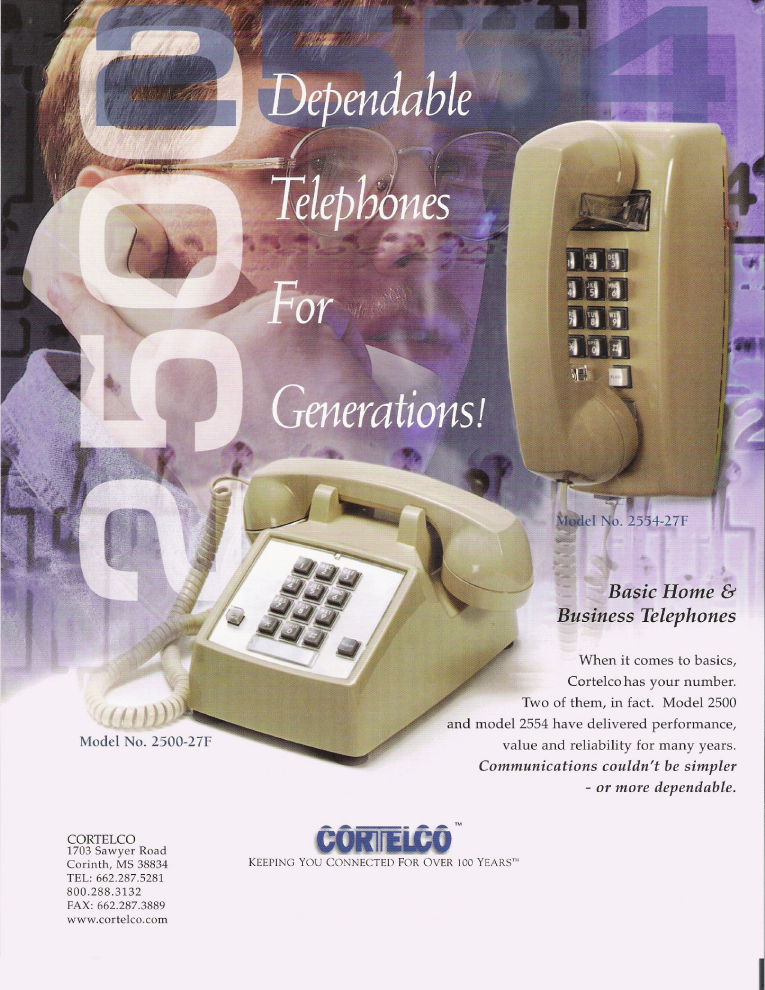
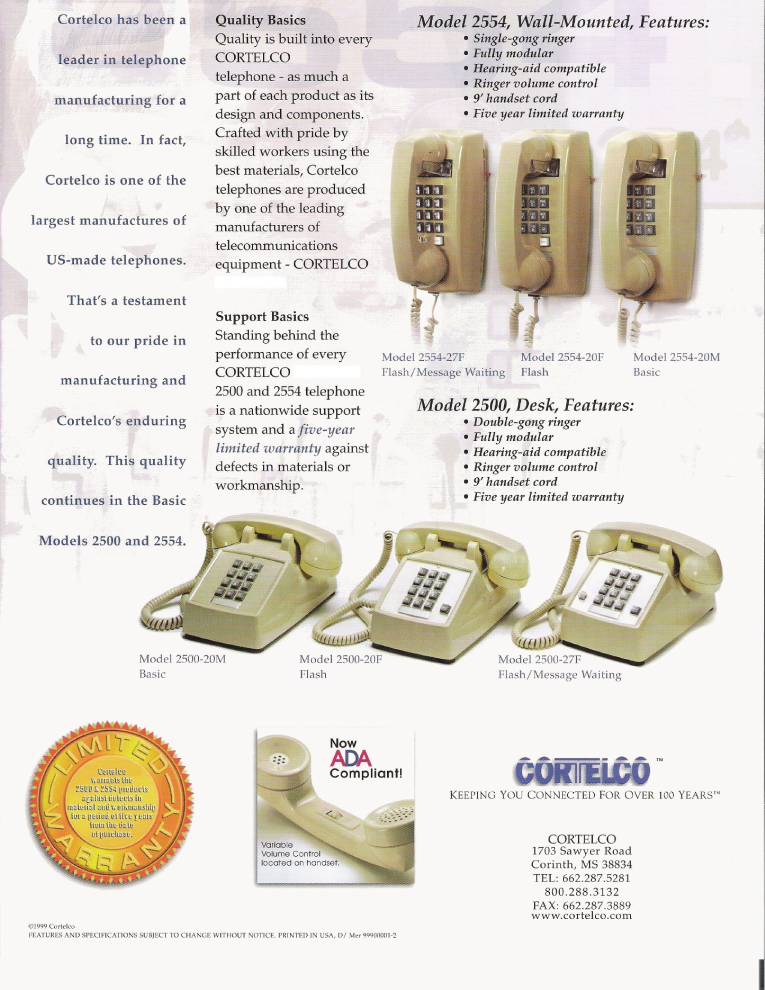
It finally showed up on a low shelf: classic 90s beige, Cortelco / ITT 2554-series mini wall phone. Single line, mechanical ringer, plastic thick enough to forgive an angry slam. Built in the States back when "long distance' still meant something. Exactly the kind of phone that believes in itself.
I dug up the old ad later. It looks like a time capsule: bold fonts, shoulder pads, everybody smiling into the future through twelve feet of curled cord.
The line
The first plan was already a ghost by the time I started: OBi200 ATA plus a fresh Google Voice number, pretend it's still 2017, call it a day. Except that whole path is gone now. No more clean GV → OBi bridge. I'd been hauling around a dead idea.
New rule I'm trying to live by: finish the thing in front of you instead of architecting the perfect version in your head.
So: minimum viable dial tone.
I opened a voip.ms account, grabbed a local DID on their pay-per-minute plan, and stopped overthinking it. Rough math:
- about $0.85/month to keep the number alive
- about $0.009/min inbound, ~$0.01/min outbound to normal US numbers
Which means the line quietly exists for under a dollar a month, and the rest is just whatever conversations we actually have.
The OBi200 did its best to punish me for procrastinating. Old Google Voice junk buried in the config, half-remembered rules. I should've led with the paperclip: factory reset, tiny hole, deep breath. Once I did that, everything turned tame:
- point the ATA at a single voip.ms sub-account
- register the number
- kill most of the local
*codes so voip.ms can own*xxlater
No PBX, no IVR, no call queues. Just one clean SIP trunk and an FXS port.
The machine that wins the race
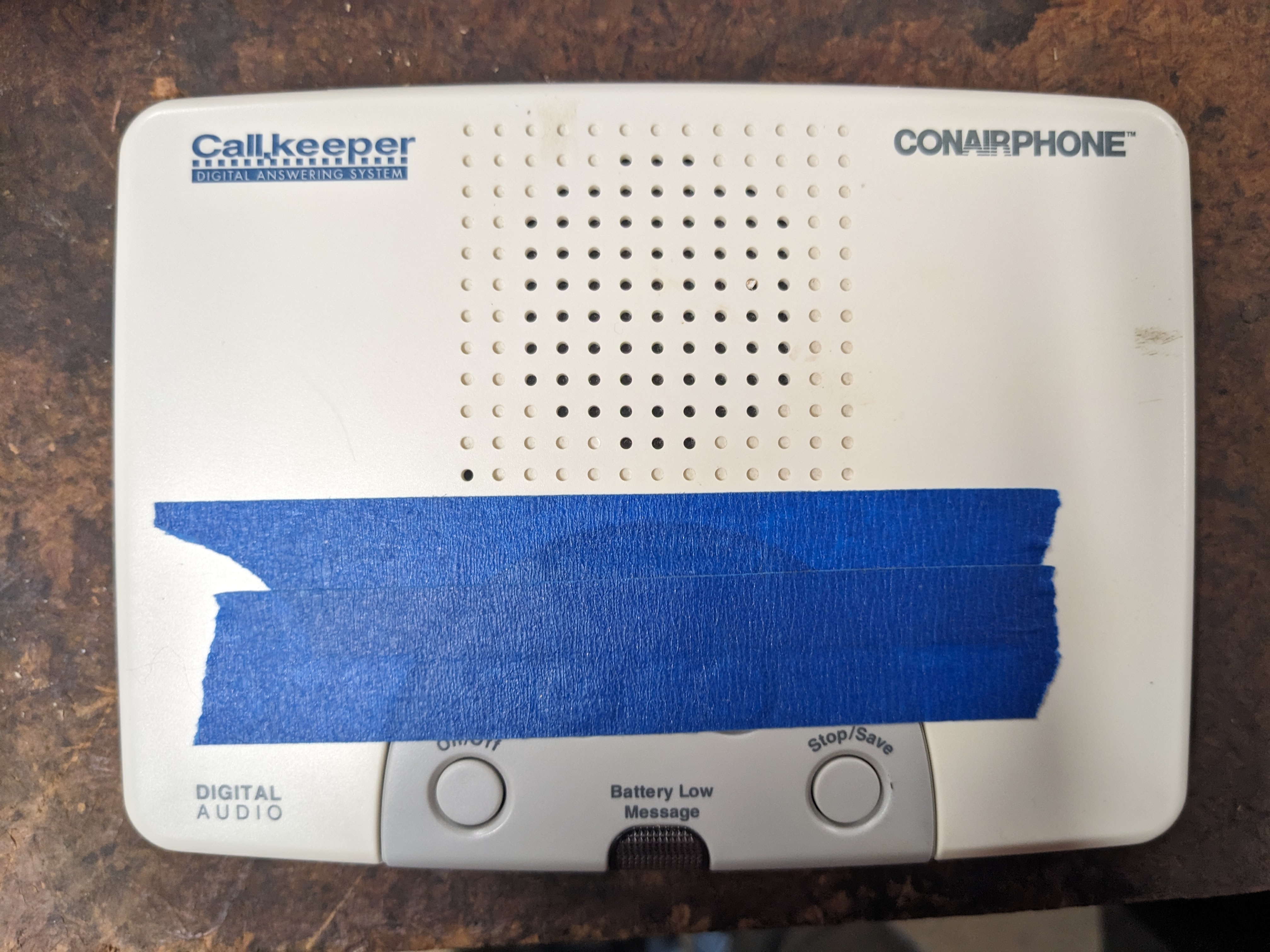
Mid-build, I walked into another thrift shop and found what looked like somebody's phone drawer turned inside out: another wall set, a six-line key panel, a handful of cords, and one digital answering machine.
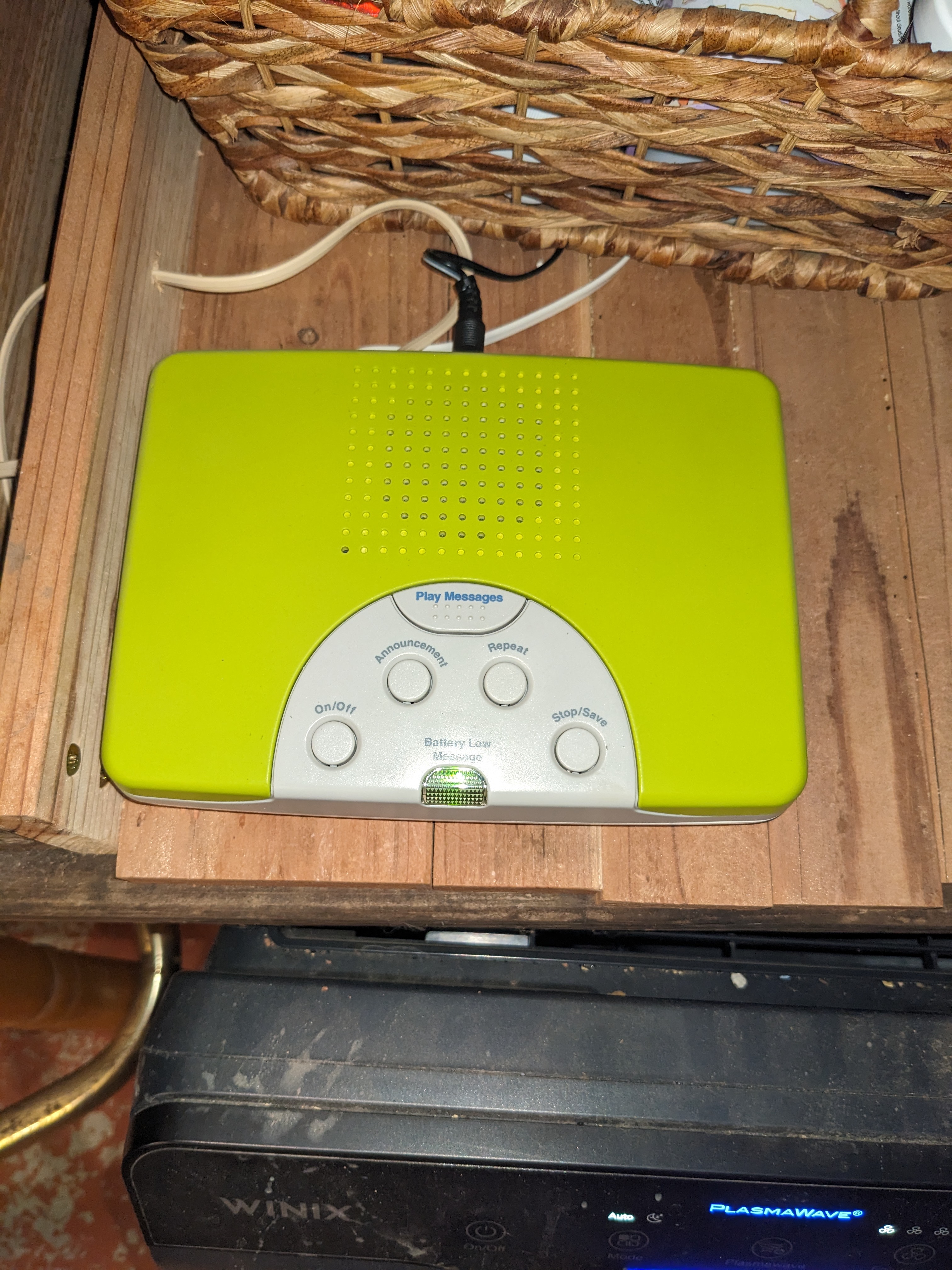
Ten dollars for the lot. The only piece I really needed was the Conair Call Keeper, model TAD1212W — same color family as the phone, slightly whiter, grey accents, proudly dumb. Digital messages, but if the power and the 9V backup both die, it forgets everything. That forgetfulness felt honest.
The important part: it beats voip.ms voicemail to the punch.
It picks up on the third ring, plays our greeting, and lets us hear the caller in real time. We can stand at the stove, listen to the first few seconds of someone's day, and decide whether to lift the receiver mid-sentence. That alone is worth the dollar a month.
Paint, plate, chain
Once the line behaved, I tore it all apart:
- light sanding to knock down the original gloss
- gloss enamel in the new color
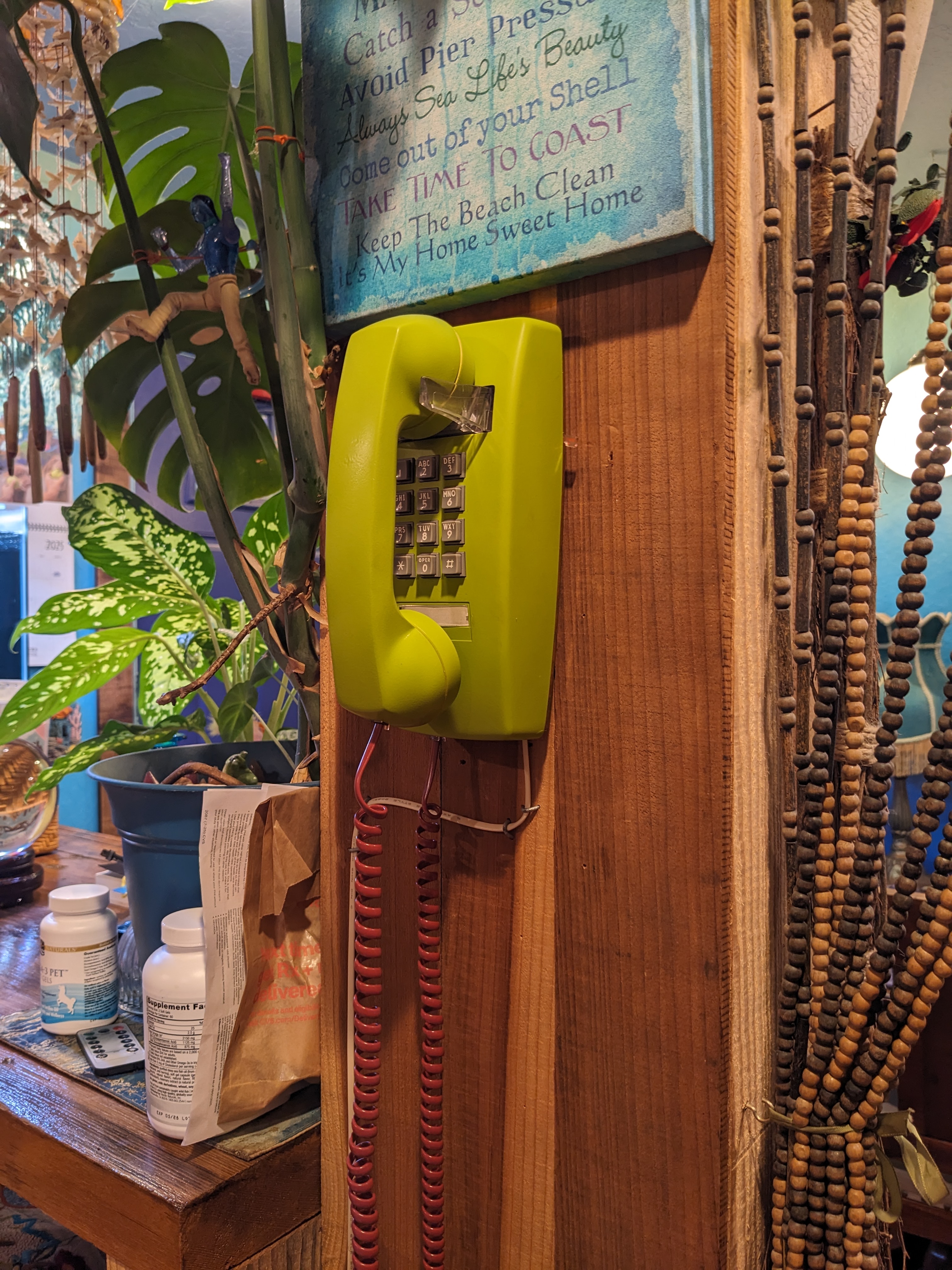
- hammered-bronze wall plate to make the whole thing feel intentional against the off-green green
The paint is not perfect. I can see every run and pinhole; nobody else will. That's the standard I'm shooting for lately: finished, not museum-grade.
Final signal chain:
router → OBi200 ATA → Conair Call Keeper TAD1212W → Cortelco / ITT 2554 wall phone
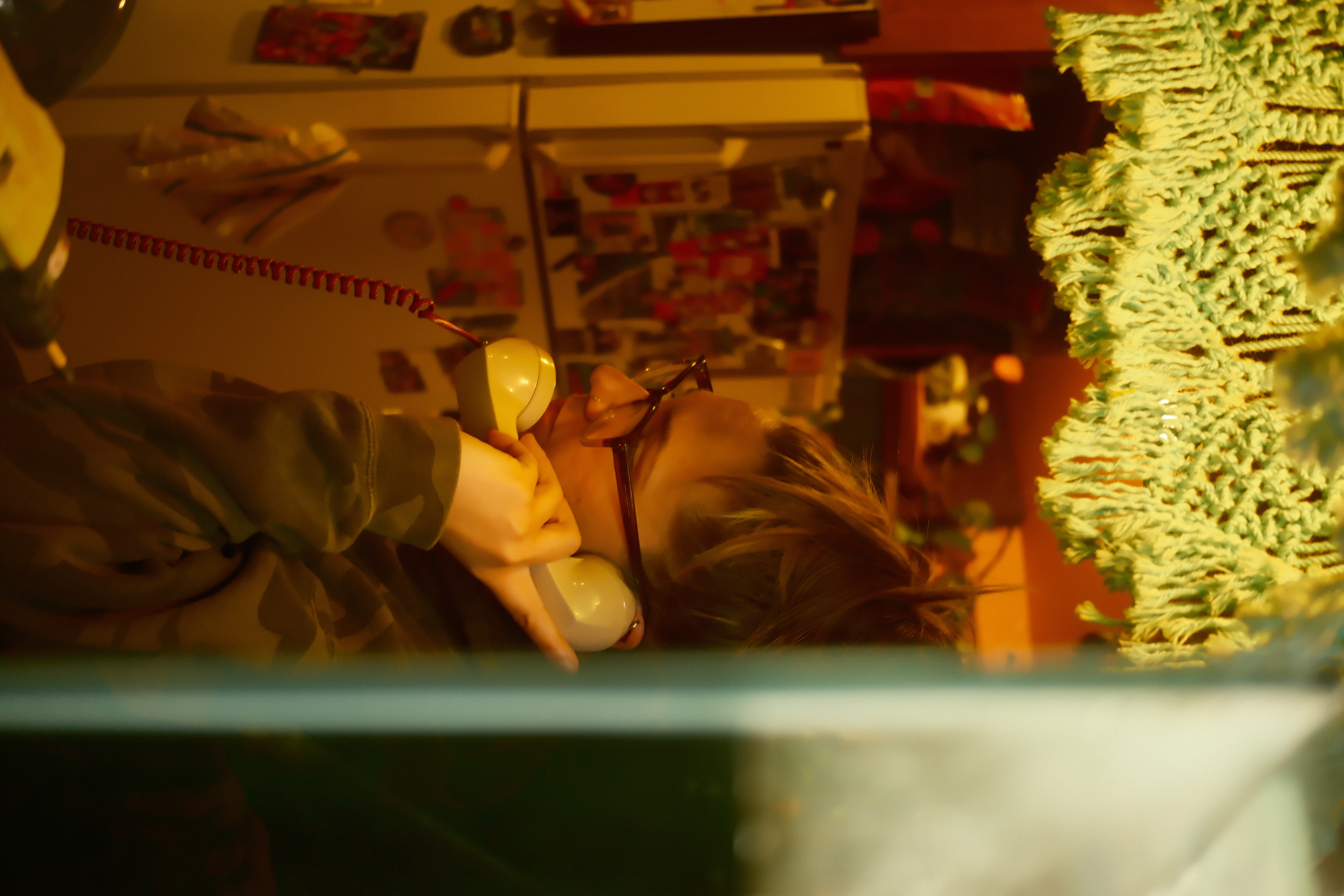
All the ugly parts live out of sight. On the wall you only see three things: the phone, the answering machine, and a long deep-red handset cord a bit over six feet.
That cord does a lot of the storytelling. It decides how far you can pace, where you lean, how many times you absent-mindedly twist it while the water boils. After a while there will be a worn patch of paint right where conversations tend to land.
How it sounds, what it's for
First real test was a two-hour call. It cost roughly a dollar in usage plus the sub-$1 monthly fee to keep the number. The audio is not HD. It sounds like slightly tired hardware doing its best — a little grain in the line, like an old photograph. It's exactly right.
This isn't a productivity tool. It's a house ritual.
Technically, it's just a simple residential SIP setup:
- OBi200 registers to one voip.ms sub-account on pay-as-you-go
- FXS port feeds the answering machine, which feeds the 2554
- hardware voicemail wins the race; cloud voicemail is the safety net
No star-code menu yet, no weather oracle, no timers talking to physical clocks. Those are for later versions.
Why bother
What I wanted, underneath all the wiring:
- a phone number that belongs to the apartment, not to me
- a small object that changes the gravity of the kitchen
- a place to grow a bigger, weirder phone system over time
The home phone's death took a lot of small social moments with it. Landlines turned into spam traps; phone nooks became empty shelves. All those "they're not home, but how are you?' side conversations evaporated into voicemail systems nobody checks.
This little build doesn't fix that. But it carves out a small pocket of resistance:
- a number we only give to friends and family
- a phone that only rings in one physical spot in the house
- a machine that catches their voices before some distant server does
When you call this line, you're not really calling me. You're calling the room.
That's enough for v1.